
 AI Search Engine
 AI Image Generator
 AI Youtube Analyzer
 Whatsapp Integration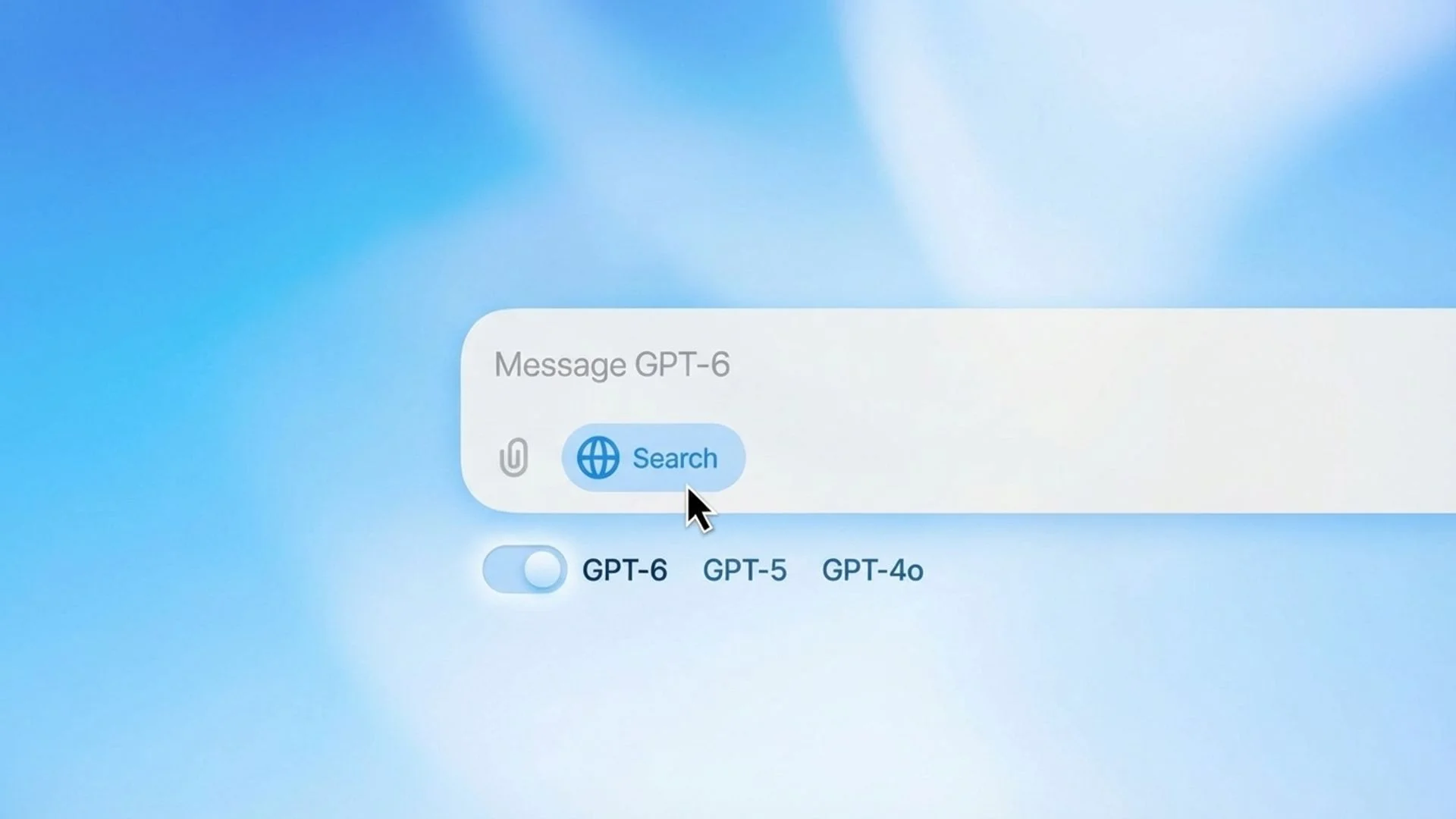
GPT-6 Release Date, Features, and Rumors: Everything We Know So Far
Interest in built on GPT 6 is growing as observers look for clues about timing, memory features, and advanced capabilities. GPT-6 is expected to follow the GPT-5 generation, and public anticipation centers on when it will arrive and how it might change long-term AI interactions.
Is GPT-6 Coming Out Soon? Latest Release Date Rumors
There is currently no officially confirmed gpt-6 release date, but industry discussions and reports indicate development is progressing rapidly. Searches like “when is gpt-6 coming out” and “is gpt-6 released” reflect curiosity driven by shorter gaps between recent model generations and rumors of mid cycle launches. Historical transitions between earlier GPT versions show accelerating development speed, which fuels speculation that GPT-6 could arrive sooner than past major upgrades. All publicly shared timelines remain speculative and may change.
What Will GPT-6 Do? Expected Features and Capabilities
GPT-6 is expected to bring more adaptive, personalized, and workflow-driven capabilities compared with earlier releases. Future models are shifting from one-off responses to systems that learn preferences and adapt behavior over time. Enhanced memory systems may let the model remember user preferences, tone settings, and repeated workflows, turning conversational agents into persistent digital assistants.
Anticipated developments include unified agent workflows that combine browsing, reasoning, coding, and execution into single processes. Expanded multimodal capabilities are expected, with longer context windows and better handling of text, audio (voice to text / speech to text), and visual inputs. These changes aim to make transitions between tasks like document summarization, code generation, and image-aware responses more efficient within one session.
GPT-6: Why Memory May Define the Next Generation?
Statements from leadership suggest memory will be a defining feature of future systems. The trend is toward AI that understands users over time rather than responding only to isolated prompts. Customizable personalities, tone preferences, and behavioral alignment could become configurable features, guided by collaborations between AI researchers and behavioral experts.
Privacy concerns are central when persistent memory is involved. Encryption, selective forgetting, user controls, and clear consent mechanisms are important for protecting sensitive information. Designers will need to balance long-term personalization with strong safeguards and transparent data practices.
How GPT-6 Could Be Different from GPT-5?
GPT-6 is expected to represent a shift in development strategy as much as a performance upgrade. Improvements may emphasize usability, adaptability, and workflow integration rather than raw model size alone. Feedback from earlier launches has pushed priorities toward conversational tone, long-term personalization, and practical integration into daily tasks. The next generation may focus more on contextual awareness and emotional sensitivity alongside technical accuracy.
GPT-6 Timeline: Development Milestones and Expected Launch Window
GPT-6 development follows a multi-year sequence that includes hardware preparation, large-scale training, safety tuning, and deployment readiness. Understanding past milestones explains why release predictions vary.
Early research and architecture design: Experimentation with new training approaches and memory systems.
Hardware scaling and dataset curation: Securing compute and preparing training data.
Training and convergence phases: Iterative training cycles, fine-tuning, and alignment.
Safety testing and external evaluations: Red teaming, bias checks, and user studies.
Staged rollouts and API availability: Limited previews, partner integrations, then broader access.
Each phase can change in duration based on technical obstacles, regulatory review, and safety results. Public estimates that place gpt-6 expected release within a shorter window reflect faster tooling and prior experience, but official announcements are the only reliable source for a final date.

